Member in Close Up


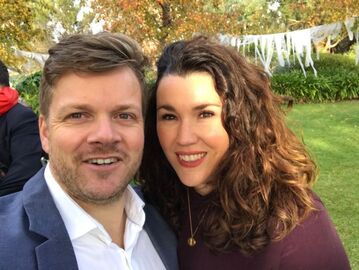 Hans Becker, born and raised in the East of the Netherlands at the edge of Twente was working in London (in 2010) when he met 'Radeladian' Julia. One thing led to another and after Julia said 'yes', the family grew with daughter Sofia, who is now 4, and cat Jelly. Then the family decided to permanently move to Adelaide... Hans' career made an unexpected 360 after arriving in Adelaide. His first job after completing his study at Nyenrode University in 2002, was working for BHP in the UK gas market. In Adelaide he joined South Australia Head Quartered Oz Minerals, working in the projects and energy side. Then last month, Oz Minerals was taken over by BHP, and Hans suddenly and unexpectedly was back at his first employer! Prior to migrating to Australia, Hans worked in London for Merrill Lynch in the gas and electricity markets and was an emissions trader for 9 years with EDF Trading. When he decided it was time to swap London for Amsterdam, he set up a company to trade emissions on his own account from a seat at Beursplein 5, the famous Dutch stock exchange building in the heart of Amsterdam. Hans' career then moved from helping a solar wholesaler to create a 'battery as a service' concept to cocoa trading Financial Risk Management for Cargill. The trigger for the Becker family to move to Adelaide was covid, which had effectively closed the doors to Australia and made the family realise they should be living closer to Hans his in-laws. Before daughter Sofia was born, Hans used to run many triathlons in the Netherlands, and he is thrilled to be back on the bike again in the weekends and explore the beautiful hills around Adelaide. If you want to catch up with Hans Becker, please reach out via his LinkedIn profile. 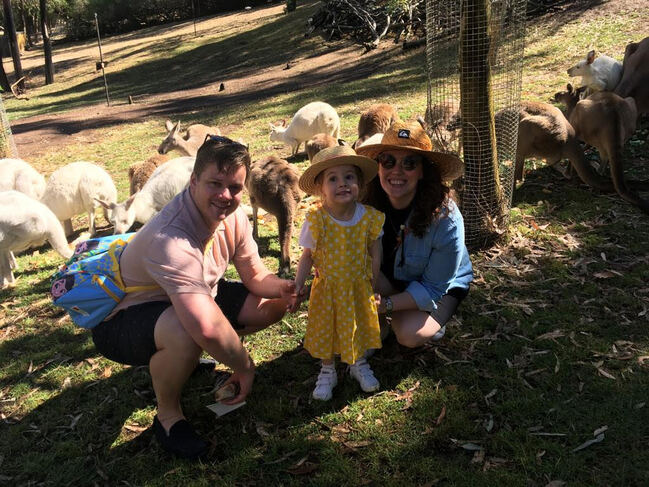
0 Comments
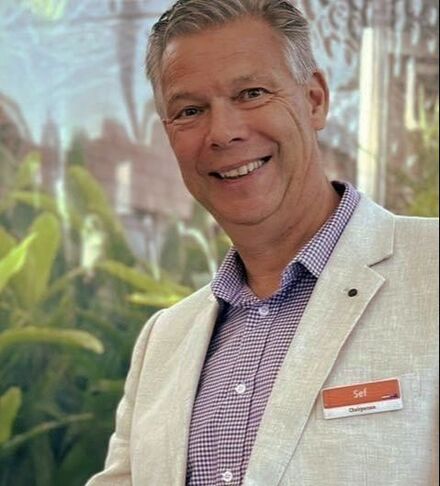 You know the old saying ‘Life is what happens to you while you’re busy making other plans’. That pretty much sums up the life of Sef van den Nieuwelaar. Limburg born and Brabant bred, Sef studied Chemical Engineering at the TU of Eindhoven but started his professional life working in the printing industry! Looking for a career break he saw an ad in the paper calling for a ‘young person who wanted to work in Adelaide for 3 years’. This was in 1990.
That same year when the first opportunity arose to explore this wonderful new country he moved to, he met Kenzie, his travel agent. Love blossomed and after spending a year back in the Netherlands together, they decided to return to Adelaide. They got married and had two kids, now great young adults, Callum and Skye. Professionally Sef moved into operational management and managed an ERP implementation project which ultimately landed him a job as a software consultant with JD Edwards. Again serendipity intervened and with the local JDE office closing Sef decided to ‘go at it alone’ in consultancy, something he has been doing successfully over the last 22 years working for companies such as Coopers, Yalumba, National Pharmacies and Jurlique. 15 years passed and it was time to work on a second set of skills. Sef enrolled in the Company Director’s course of the AICD and in 2016 became Board Director of Dutch aged care organisation Rembrandt Living. This coincided with his first visit to the DutchSA borrel and he has been a regular borrel visitor ever since. Sef also expanded his Directorship portfolio over the last 5 years. He is now Chair of Rembrandt Living and board member of St John Ambulance SA, of the Leaders Institute of South Australia and of philanthropic organisation Impact100. When Sef is not in front of his PC or in the boardroom you can probably find him either enjoying a glass of red or hiking/rogaining in some inhospitable spot in SA. Always up for a chat or a coffee (or something stronger) Sef can be contacted on 0412 876439, on [email protected] and on LinkedIn https://www.linkedin.com/in/sef-van-den-nieuwelaar-a86b57a/ 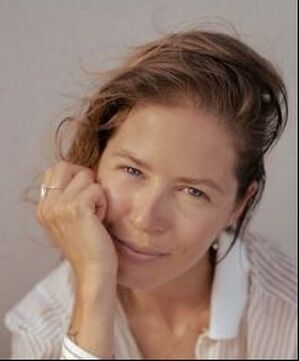 WTF?
Yes, you read that right. The WTFuture? event is Wendy’s main focus as Program Manager for The Difference Collective – The social enterprise that is part of Culturise. WTFuture? is happening on November 17th at the Adelaide Showgrounds. WTFuture? is a co-led event by both youth and employers where dialogue, story exchange and hands-on experience will lead to a discovery of each other's potential in creating a better workplace for all. Rooted in connection and collaboration, we debunk one myth at a time, breaking down the existing barrier mindsets and biases, and ultimately reimagining youth employment pathways for youth with a difference. Wendy’s employment pathway was far from straight-forward and if you would draw it on a map, it would probably look like a messy scribble…She has never been focussed on one specific career, or study for that matter. Her bachelor in Liberal Arts and Sciences covered subjects including social sciences, European law and history to neurosciences…from here she went on to do a Master’s in Organisation Studies and zoomed in on Organisational change management. From here, after only started her first step into her career pathway, she decided to come to Australia on a working holiday visa. For a year she enjoyed the backpacking life before she hopped over to the neighbours: New Zealand. Working in Windy Wellington for several government agencies gave her a first taste of doing work with “purpose”. She worked on a Diversity Campaign for Engineering New Zealand and was part of the Sustainability team at Maritime New Zealand. Her return to Australia was decided by a flip of a coin: Tail for Fremantle, Heads for Adelaide. “I wanted to live in a small city that has plenty going on and where nature is close by.” Adelaide hasn’t been very forgiving as a close-knitted community. The saying “Who you know is more important than what you know” really seem to be true for the Adelaide job market and it took her a good few years to finally land in her current role. “Now, I feel incredibly grateful that I get to bring my core values of Love, Purpose, Mindfulness and Community into my daily work: Connecting people to create positive outcomes for the individual, our community & world we live in. Like we say at Culturise, change is one of the few constants and to deal with change, we must have the tools to change our own responses - our habits. It’s what Adelaide has taught me for sure and I now feel more equipped to embracing change as well as leading it…” You can read more about the WTFuture? event on www.wtfuture.com.au or get in touch: [email protected] And learn more about how we can help you creating a better workplace for all on www.culturise.com.au or reach out to [email protected] 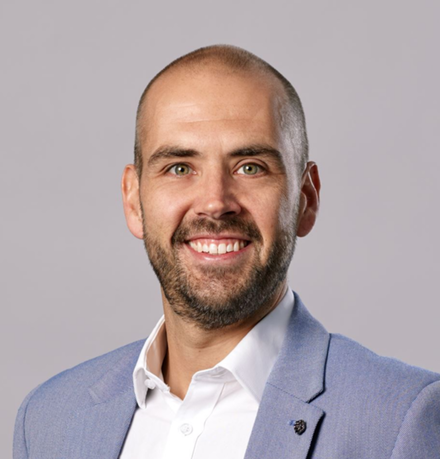 Erik de Roos – Executive Director Marketing, South Australian Tourism Commission Erik de Roos – Executive Director Marketing, South Australian Tourism Commission This time, we look into the events that led Erik de Roos from his birthplace Zwolle – to Adelaide today – where he is responsible for marketing the beautiful state of South Australia to the world. It all started during his studies at the Breda University of Applied Sciences – where Erik studies Tourism Management and graduated with a Bachelor of Arts in 2003. His studies took him to the US state of Vermont, which is best known as the home of Ben & Jerry’s ice cream and maple syrup. In Vermont, Erik completed an internship at the Ascutney Mountain (Ski) Resort. At the same time, Erik’s now wife, Gloria, was there on a working holiday. As it happens, Gloria was from Adelaide and she moved with Erik to the Netherlands where they lived together for some years. The couple then decided to move to South Australia for lifestyle and family reasons and in December 2004, Gloria and Erik arrived in Adelaide. They since got married and today they are blessed with 3 young boys. When he moved to Adelaide, Erik had hoped to secure a job in the South Australian Tourism industry. Unfortunately, there were limited opportunities and Erik found work in the advertising industry instead. Erik called advertising home for about a decade, working from the bottom up. As Head of Account Management at Clemenger BBDO, Erik served iconic South Australian clients, like Jacob’s Creek, San Remo, and the Motor Accident Commission, where Erik helped produce some of the most recognised and award-winning advertising campaigns in the state. When Clemenger BBDO merged with KWP in 2015 after closing its Adelaide offices, Erik decided to take a different path and join a challenger advertising agency: cummins&partners. However, an offer he could not refuse ended this path after 18 months, as San Remo asked Erik to become their Chief Marketing Officer. In this capacity, Erik was responsible for setting the strategic marketing direction for some of Australia’s most recognised FMCG brands, including San Remo, Fantastic Snacks and Balfours Bakery.  For 5 years Erik was at the helm of San Remo’s marketing, but he had never forgotten about his first passion and ambition when coming to Australia, to share the well-kept secret of Adelaide and South Australia with the whole world. Telling about a place, not only recognised as one of the top 3 best places to live, but a destination that is not naturally exposed to mass tourism, with vast beauty and diversity of landscapes and experiences on offer! In July 2021 Erik came full circle when he landed the position of Executive Director Marketing for the South Australian Tourism Commission (SATC). He now leads the State's Destination Marketing department and set its strategic marketing plans. Erik can focus all the expertise he gained on his journey through tourism, advertising and marketing on generating demand for South Australia as a premium, boutique tourism desitination and in turn, help grow the South Australian visitor economy! Without a doubt, accepting this new job in the midst of a global pandemic was not without its challenges. The South Australian tourism industry, which pre-Covid contributed in excess of $8bn and 40,000 jobs to the South Australian economy, was severely impacted by border closures, lockdowns and trading restrictions. However, supporting the industry through these challenging times has only strengthened Erik’s resolve to hep drive the recovery of the State's visitor economy. Erik is optimistic about the future of South Australia's tourism industry and is excited about playing a part in promoting our beatiful State to Australians – and he rest of the world!  South Australia, a prime tourist destination You can contact Erik de Roos via LinkedIn https://www.linkedin.com/in/erikderoos1/ or follow him on twitter https://twitter.com/erikderoos.
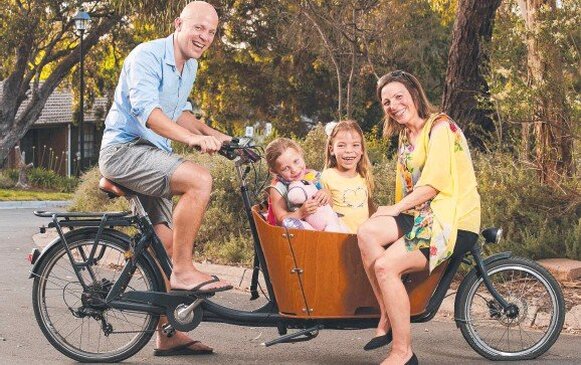 Yvette van Eenennaam and Dr Johan Verjans moved to Adelaide in 2017. They are two hockey loving, career driven, ambitious professionals who enjoy their two daughters Roos (10 years old) and Alice (8 years old). Both work in the Health and Medical sector and are passionate about contributing to transforming Adelaide into an innovation district of global significance. They both have a focus on the integration of emerging technologies into the Health and Medical sector and the translation and commercialisation of cutting-edge research. 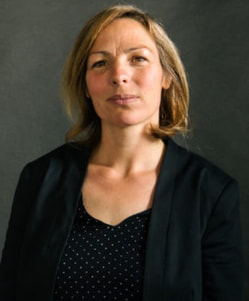 Yvette van Eenennaam is the General Manager of Adelaide BioMed City, the $4.2 billion Health and Biomedical Innovation District in the heart of Adelaide with impressive infrastructure including the new Royal Adelaide Hospital, the SA Health and Medical Research Institute (SAHMRI), and facilities for all three of the state’s universities. This innovation hub co-locates institutions from research, education, clinical care and industry to drive collaboration, innovation, translation and commercialisation. Yvette is also the chair of the state-wide genomics centre, the SAGC. She co-led the development of the business plan for the SAGC, secured federal funding, and achieved that all the relevant key institutes in SA to commit to a Partnership. Its establishment was supported by an investment of over $7 million. In Europe, Yvette has enjoyed leadership roles at Deloitte, Nike Inc and ABN ABMRO Bank, with a focus on strategy, organisational development, change management and innovation. 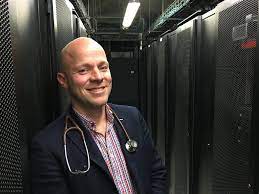 Johan Verjans is consultant cardiologist at the Royal Adelaide Hospital and Dr Jones & Partners, Deputy Director Medical Machine Learning at the Australian Institute for Machine Learning University of Adelaide, Platform leader AI at South Australian Health and Medical Research Institute. He is passionate about advancing medical care that is beneficial for the patient through improved care and prevention, while reducing cost the health care system. He also recently started his own private multi-specialty clinic, Adelaide Specialist Clinic. Below is a short video with Yvette and Johan about Adelaide Biomed City. 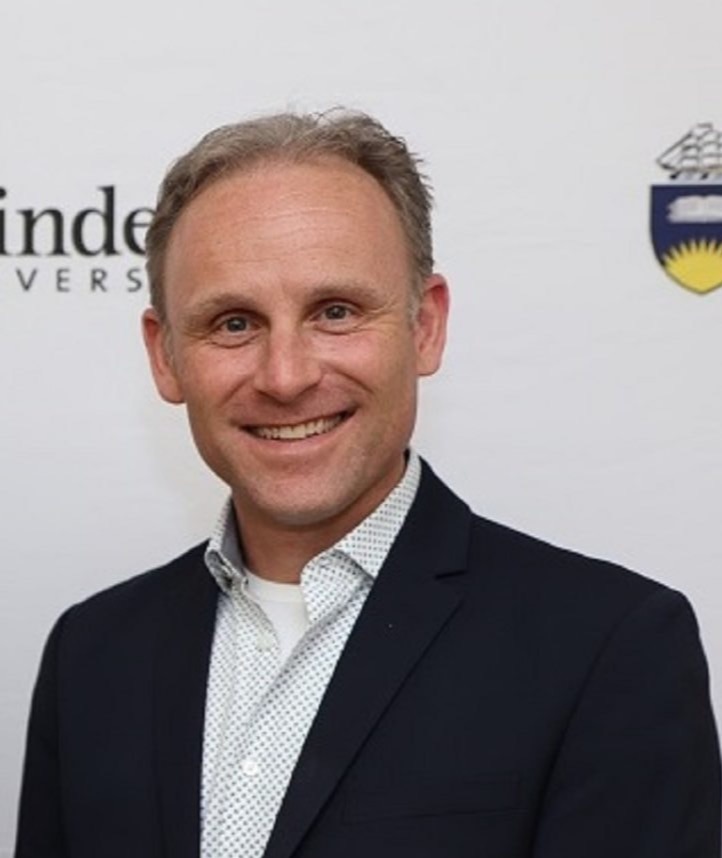 Jeroen Hendriks, Professor of Cardiovascular Nursing, Flinders University Jeroen Hendriks, Professor of Cardiovascular Nursing, Flinders University Born and raised in the south of the Netherlands, Jeroen Hendriks studied Nursing and Health Sciences at Maastricht University in the beautiful city of Maastricht. During his PhD he developed a specialised outpatient service for patients with atrial fibrillation (AF), the most prevalent cardiac arrhythmia, at the Maastricht University Medical Centre. In a randomised controlled trial, he demonstrated effectiveness of this approach compared to usual care, in terms of reductions in hospitalisation and mortality in this population. In 2012 Jeroen was invited to deliver a keynote and present these results at the annual conference of the Australian Cardiovascular Health and Rehabilitation Association (ACRA) in Brisbane. Here he met a cardiologist with an interest in AF management, who invited him to do collaborative research in Adelaide.
Move to Adelaide After starting remote collaboration with the Adelaide research team, Jeroen moved to Adelaide in 2015 to join the team at the Centre for Heart Rhythm Disorders at the University of Adelaide. His research focusses on the development of innovative models of care delivery for patients with cardiovascular conditions, in particular AF. Based on the concept of integrated care, these models include a patient-centred approach, multidisciplinary teams, comprehensive treatment, and the use of technology to support the integrated approach. The team has demonstrated the importance of risk factor management and lifestyle modification as part of comprehensive treatment of cardiac arrhythmias, demonstrating improved clinical outcomes in patients. Professor of Cardiovascular Nursing Early 2020 Jeroen had the opportunity to move to Flinders University to take up the Inaugural Leo J Mahar Cardiovascular Nursing Chair. This Professorial role is a clinical-academic joint appointment between the Caring Futures Institute, College of Nursing and Health Sciences, Flinders University and the Department of Heart and Lung at the Central Adelaide Local Health Network. In this role he aims to generate multidisciplinary research in the clinical setting which guides the development of a collaborative of academic and clinical excellence. Besides his work in Adelaide, Jeroen has ongoing collaborations with the Department of Cardiology at the Maastricht University Medical Centre and is actively involved within the European Society of Cardiology and the Heart Rhythm Society in the United States. Please connect with Jeroen through LinkedIn https://www.linkedin.com/in/jeroenhendriksausse or Twitter: @J_Hendriks1  Remco & Milly Albers Remco & Milly Albers Milly and Remco met in The Hague and when Milly needed to move back to her hometown Adelaide they kept in touch and after 1.5 years of a long distance relationship, Remco decided to leave his beloved city and make the move to Adelaide.
Remco Albers, born in The Hague, worked the majority of his career in The Netherlands in the automotive industry and worked for the political party D66 focusing on sustainable mobility. Since arriving in Australia 2.5 years ago, he has worked for Dell Technology and as the Business Development Manager for recruitment agency Pak Poy and Partners. Remco had a career pivot in 2020 to set up his own business MILCO media when he saw the need for individuals and businesses to look genuine and professional online. He's now a full-time photographer and videographer and co-runs MILCO with his wife Milly. Together, they are passionate in supporting SME businesses in Adelaide. Milly Albers is an Adelaide girl who spent 5 years on and off living in The Hague and San Francisco building brands for technology strart-ups. She is the Marketing Manager for disability services company SACARE and runs MILCO design on the side. They have a baby boy called George and love balancing family life with growing their own businesses. Connect with Remco on LinkedIn or visit their business websites: www.milco.media and www.milco.design 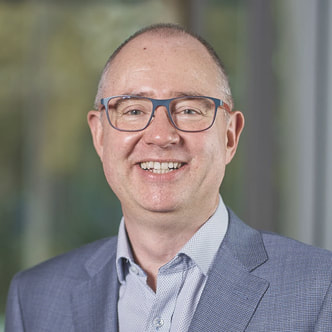 Mark de Raad was born in ’t Gooi in Laren, The Netherlands and emigrated to Australia with his immediate family in the mid 80s as an emerging teenager - first to Victoria, and then later to Adelaide. From a background of jewellery and watch making, Mark’s father was most keen that he focus on an alternate career choice. After quite a few twists and turns that included significant studies as a musician, music teacher, and a physiotherapist, he eventually settled on a career in ICT. In a long term committed relationship for over 24 years, Mark is proud to call Adelaide and Australia home whilst still valuing his Netherlandish roots - retaining strong ties to language, culture and family in Europe.
Founding a company in 1996, I-Nex, he has been headquartered in South Australia ever since providing software solutions across Australia, into Asia and Europe. Focussed on product and custom solutions in change management, automotive and manufacturing, safety systems in oil and gas projects and specialist tools for association and not-for-profits, the company also has a strong focus on social projects, particularly education and health services. Initially started as a network and systems support group, software soon became a passion when it managed to combine artistic skills, creative problem solving with critical thinking. Having spanned a career starting with mainframes, to decentralised desktop computing, to now cloud and SaaS services, it has certainly been quite the journey of continued application and learning! More recently, Mark has been asked to chair and sit on several government and non-government boards - particularly focussed on Arts organisations - including the State Opera South Australia, Coriole Music Festival, Recitals Australia, Chamber Music Adelaide, Cabaret Fringe Festival - and has consulted for most of South Australia’s significant arts companies. In a way, bringing life full circle with his arts beginnings and now bringing over 25 years of management and business experience to those organisations. Mark is always looking for a challenge (“a project with real problems to solve”) and would be delighted to network further with the local community. You can connect with him at www.deraad.com 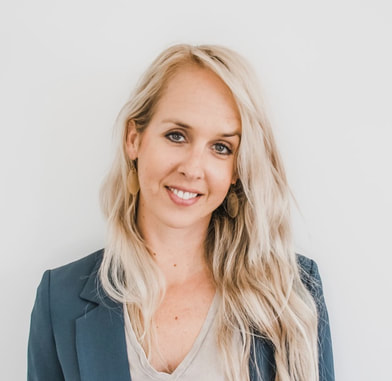 Meike Wise was born and raised in ‘het gezellige’ Brabant, The Netherlands. As soon as she turned 18, she went backpacking around the world to chase her dreams and adventures. In Australia though, she fell in love. Not only with the country itself, but also with an Englishman she met on a cattle farm in the middle of the QLD outback. After her travels and finishing her degree at the Hotelschool The Hague, she moved to England, married this Englishman, and applied for an Australian visa. After 7 years of living in the UK, they moved to South Australia with their then-2 year old son; a new adventure had begun. After 8 years in Adelaide, they have truly settled in and even extended their family with a dog named Max.
But Meike hasn’t stopped chasing dreams and is still looking for new adventures. Throughout her career, she’s had the privilege to work for, and work with, a wide variety of different organisations, all over the world. For the past 20 years, Meike has worked towards specialising in business operations, customer & employee experience, and change & transformation programs. She is now on a mission to ‘give back’ and contribute to a kinder, more authentic world, and is using her experiences and insights to help organisations create business environments that provide their people with an exceptional human-focused, genuine experience. Meike would love to get in touch with like-minded people and organisations. Connect with Meike on LinkedIn https://www.linkedin.com/in/meikewise, or visit her business on https://changeandways.com.au/ Lianne Tiemens: Working towards everyday greatness with real people and real fitness options1/4/2021 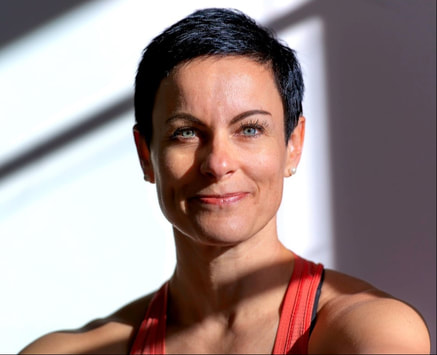 Born and raised in the Netherlands on a dairy farm near Arnhem, Lianne Tiemens studied “Commercial Design” at The Hogeschool van Arnhem & Nijmegen and completed the Propaedeutic Certificate “Communication Science” at the University of Amsterdam. Lianne worked in various Marketing-Communication and office positions for small ICT businesses as well as Shell, Gemini Consulting and Politie Utrecht. In 2006 Lianne and her partner, now husband, Martijn moved to Australia. Following an introductory road trip through Australia Martijn and Lianne decided to settle in Sydney. After the birth of their eldest son in 2010 Lianne traded her corporate career at J.P. Morgan for a career in fitness, reigniting her passion for group fitness. Lianne feels strongly about group fitness. Her motto: “fitness is for everybody and every body, the go-hard-go-home method isn’t”. Instead, she strives to work towards everyday greatness with real people and real fitness options. Driven by a desire to connect people through fitness. Inspired by the everyday heroes in her classes. Group Fitness Instructor Lianne has been a Group Fitness Instructor since 2001, instructing a large range of formats which include Old Skool Aerobics & Step, Aqua Fitness, Les Mills Body Pump, Basic Training and Active Adults. For the past 9 years Lianne worked for Fitness First Australia. As her fitness career evolved, she presented at FILEX (the leading and most long-standing annual fitness convention in Asia Pacific) in 2019 and was due to present at FILEX 2020. She is an awardee for the 2020 NSW AUSTSWIM WETS Aqua Instructor and received the 2019 Q3 National Group Fitness Instructor of the Quarter Award by Fitness First Australia. Facebook Live Workouts During the lockdown in NSW earlier in 2020 Lianne was selected by Fitness First Australia to be part of the Virtual Trainer’s Team to develop and deliver Facebook Live workouts. These workouts plus many others have been recorded and are available on Facebook free for everyone to use. Go to www.facebook.com/FitnessFirstAustralia and search "Lianne" to access these workouts. Adelaide In July 2020 Martijn, Lianne and their two sons moved to Adelaide. In Adelaide Lianne continued her work as an in-demand instructor. She was recently appointed as the Group Fitness Coordinator at The Gym Glenelg, whilst she continues to deliver virtual HIIT workouts, runs circuit training sessions from her backyard gym. Mature Age Fitness Article As an advocate for Aqua Fitness, Lianne joined international Aqua Fitness trailblazers in social media campaign H2Ignite. In an effort to promote and encourage fitness at any age, she teamed up with Sydney based Exercise Physiologist Leigh Sherry to write a two-part article about mature age fitness published by the Australian Fitness Network in their quarterly magazine. Contact Lianne, if you want a free copy of the two-part article about Mature Age Fitness. Contact
To connect with Lianne - and get free workout inspiration – go to the socials:
|
AuthorThis section is to highlight one of our members every month. Do you want to feature here? Just send us an email at: [email protected] Archives
June 2023
Categories |

|

|

|

|
|
JH Lever & Associates
|
Ouwens Casserly Real Estate
|
Ouwens Lawyers and Migration Agents
|
Rembrandt Living (Dutch Aged Care)
|
|
© COPYRIGHT 2022. ALL RIGHTS RESERVED.
|

|
 RSS Feed