|
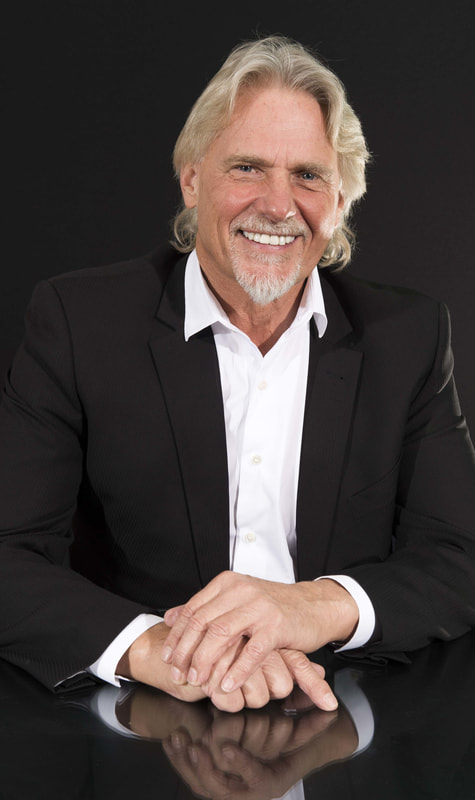
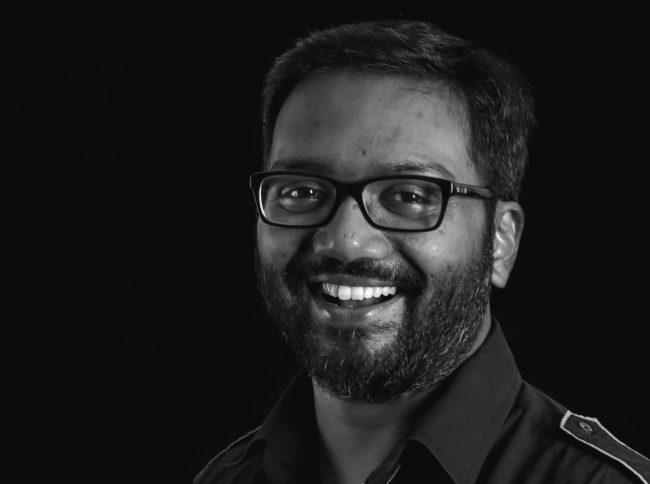
Cameron has built a career at the intersection of research and innovation, from his early days as a sleep scientist to his current strategic role at Adelaide University, where he supports and strengthens research across academic portfolios. But beyond the world of grants, policy, and research strategy, there’s another investigation unfolding—one that doesn’t involve funding schemes, but fragments of family history scattered across the Netherlands. What started as curiosity has turned into something far more profound: a journey into his Dutch roots, uncovering wartime stories, long-lost relatives… and a past that, until recently, was almost entirely unknown. Interview by Vasco Bontje 1. What drew you into research and innovation, and what keeps you there today? I was the first in my family to go to university and ended up in sleep research almost by chance. What really drew me in was the environment—working with a supervisor who encouraged us to enjoy the work while taking it seriously. I went on to complete a PhD and worked overseas, but eventually transitioned out of academic research due to limited funding in the field. I stayed in the university sector, though, moving into research support roles. Today, I focus more on strategic support for academics, and I still find it fulfilling because I can use my academic training to help others succeed. 2. How do you use your original academic expertise in your current role? The specific subject matter isn’t something I use day to day anymore, apart from things like understanding fatigue and jet lag. What I really use is the training—how to think, how to solve problems, and how to approach questions systematically. That process of inquiry is exactly what I apply now when helping academics navigate grants, projects, and complex challenges. 3. How do you see your role evolving in a global and connected research environment? My role has shifted from operational support to more strategic. I now work closely with leadership to improve research outcomes across groups of academics. Research is becoming more global and collaborative, and that brings both opportunities and challenges. AI is starting to play a big role in how research is done, and while it won’t replace people like me, those who know how to use it will have an advantage. At the same time, there’s a growing need to focus on researcher wellbeing, collaboration dynamics, and ensuring diverse voices are part of the process. 4. When did your curiosity about your Dutch heritage begin? I grew up hearing stories about my father and grandparents, particularly around the Second World War. My grandfather had been in a labour camp near Lübeck, and my grandmother had moved there to be near him, working in a bakery. She became pregnant with my father during that time but sadly died about six weeks after he was born. A lot of these stories were only partially known while I was growing up. More details only emerged later, especially after my father passed away in 2023, when we were preparing his eulogy. That process brought together fragments my family had remembered over time. What really drove my curiosity was that my father knew very little about his mother’s side of the family. That sense of a missing piece—particularly on the Dutch side—made me want to understand more. 5. How did you uncover your family history and what did that process involve? I only really started this journey after my father passed away. I began with DNA testing, which didn’t immediately give me clear answers but introduced me to genealogy platforms. From there, it became a process of gradually building a family tree—following leads, checking names, dates, and relationships. It took a lot of time, often working on it in the evenings and weekends. I started by mapping out my grandfather’s side quite well, then moved onto my grandmother’s side, which was much harder. A major breakthrough came when I discovered Dutch population records—“person cards”—which contained detailed information about individuals, including addresses, family members, and life events. With that, I could go back into genealogy databases and unlock much more information. Through this process, I eventually identified 11 cousins on my grandmother’s side that my father never knew about. From there, I used social media and direct outreach to connect with living relatives, which really brought the whole process to life. 6. You shared a 1943 letter from your grandmother with me, which is a fascinating piece of family history. What did your grandmother’s letter mean to you? The letter came to me through a relative I connected with in the Netherlands—someone I only found through this research. He had photos of my grandparents and my father, and also this letter my grandmother had written in 1943. The first thing that struck me was her handwriting—very neat and beautiful. I couldn’t read Dutch, but once it was transcribed and translated, I could suddenly read her words. She wrote about everyday life during the war—mentioning not receiving mail, hearing bombings in Hamburg, food shortages but also having enough potatoes and vegetables, and even sending money home as a gift. What stood out was the mix of ordinary life and the backdrop of war. It was quite a short letter, but incredibly powerful. For me, it was emotional. She had always just been a name in the family—someone who died young and about whom we knew very little. Suddenly, I could better understand her experiences. Having that kind of direct connection to her life is quite amazing. 7. What does this journey mean to you personally and for your family? It really does feel like putting together a puzzle. For me, it’s about discovering a part of my family that was always unknown. In some ways, it feels a bit like trying to understand a missing piece of identity. I now have photos, letters, and stories that make people feel real—where they lived, what they did, what they went through. It turns names into actual people. I do regret not starting earlier, because my father would have loved to see what I’ve uncovered about his mother and her family. It’s also sparked interest in connecting with relatives. I’ve found a wide range of people—different professions, different lives—and I’d really like to meet them in person. Hopefully, I can travel to Europe and bring some of that together. It wouldn’t be a traditional family reunion, but more like meeting people you’ve just discovered are part of your story. 8. What would you recommend to others in the DutchSA community who want to explore their heritage? There are many online resources available, both free and paid, so it’s easy to get started at your own pace. What helped me most was engaging with online communities and forums—there are many people willing to share advice and point you in the right direction. That’s how I discovered key tools and approaches, like accessing Dutch records. Without that support, I would have struggled to make progress. Also, countries like the Netherlands have excellent record-keeping—parish records, census data, and civil registrations—which makes it possible to trace family histories in quite a detailed way. And beyond the research itself, there’s something meaningful about it. Visiting places, even gravesites, has been part of that journey. It’s something I never expected to do, but I found myself standing in front of the resting places of my great-great-grandparents in rural Victoria, seeing their names carved in stone. It brings a real sense of connection. It’s been grounding, and in many ways, deeply rewarding. Want to research your own Dutch heritage?Tracing Your Dutch Ancestry in Australia
Researching Dutch family history in Australia starts with what you already know, names, migration stories, birth dates, and family documents, then expands into Dutch and Australian archives, databases, and genealogy communities. Start With Family Records Begin by collecting:
Australian certificates often list parents’ birthplaces in the Netherlands. Quick Search Tip Search Google using:
“Jan Smit” “Johan van Oldenbarneveld” This can uncover newspaper articles, books, passenger lists, or photos. Dutch Genealogy Resources Essential Dutch Databases WieWasWieFree civil registration database for births, marriages, and deaths in the Netherlands. WieWasWie Nationaal Archief (Dutch National Archives)Search Dutch emigration cards to Australia (1946–1991), passenger lists, and military records. Nationaal Archief – Emigration Cards CBG – Centrum voor FamiliegeschiedenisDutch family history centre with surname databases and research services. CBG DelpherDigitised Dutch newspapers, books, and magazines. Delpher Archieven.nlGateway to regional Dutch archives. Archieven.nl Genealogie OnlineUser-submitted Dutch family trees linked to archives. Genealogie Online Australian Genealogy ResourcesNational & State Records National Archives of Australia (NAA)Immigration files, citizenship records, migrant hostel records, and the Dutch-Australian Shared Histories Project. National Archives of Australia – Family History TroveHistoric Australian newspapers, photos, and naturalisation records. Trove Ancestry AustraliaPassenger lists, BDM indexes, and family trees. Ancestry Australia State Records of South AustraliaPassenger lists and South Australian birth, death, and marriage records. State Records of South Australia Genealogy SASouth Australia’s largest genealogy collection with databases, workshops, and research support. Genealogy SA Archives & Offline Research Some records are not digitised and may require archive visits or paid copies. Useful Places to Check
South Australia BDM RegistrySA Births, Deaths & Marriages Dutch-Australian Research Groups Dutch Australian Cultural Centre (DACC)Adelaide-based research hub with migration records, lectures, and genealogy support. Dutch Australian Cultural Centre Dutch Australian Genealogy GroupCommunity support and research tips. Dutch Australian Genealogy Group AFFHO (Australasian Federation of Family History Organisations)Directory of local genealogy societies across Australia. AFFHO Research Tips
Best Beginner Workflow
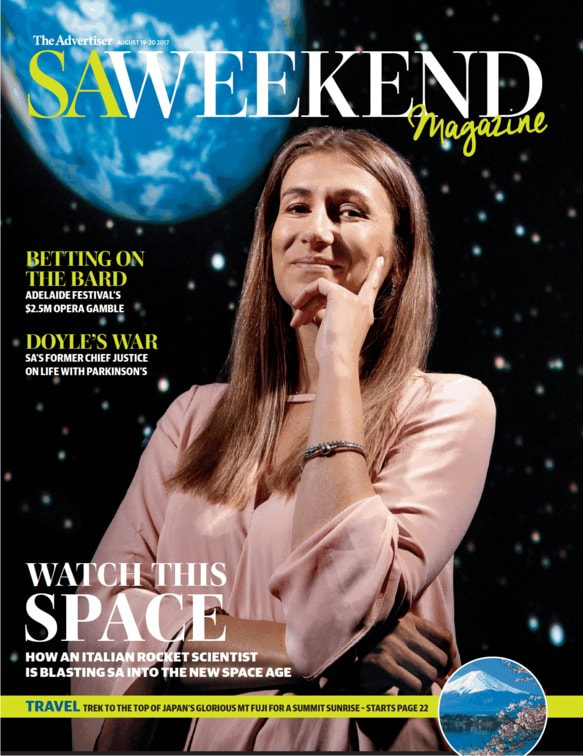
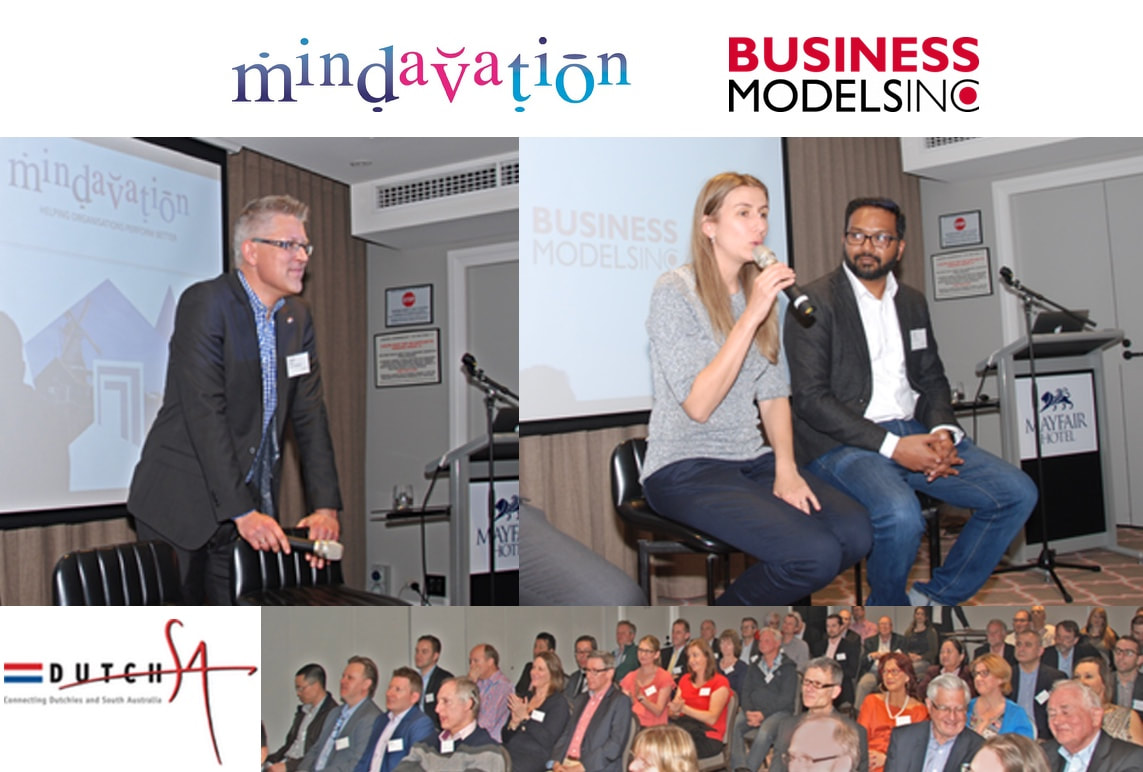
Flavia Tata Nardini and Suhit Anantula//Humanomics were the absolute stars in a sold out DutchSA event last night. A vast and diverse group of South Australians representing many industries and backgrounds had gathered in the Mayfair to enjoy a fantastic show, put up by Flavia and Suhit.
Flavia spoke about her journey as a migrant, starting up a space business and leading the creation of a new industry in South Australia and a national space agency for Australia. Flavia's business develops large volume low cost nano satellites for communication between devices (the internet of things), which will be a key driver for the 4th industrial revolution. We learned what it takes to launch and fund a successful startup and how their grand vision of affordable data communication at any place on earth, will ultimately impact the protection of the great barrier reef and reduction of waste in supply chains. Suhit the showed how large organisations can find their ability to innovate again. We learned about structured ways of developing new business models by collaborating with your ecosystems and even competitors. Both stories of practice and theory combined brilliantly and the session was informative, fun, inspiring and uplifting. It takes only a few people to change everything. It is all possible here in South Australia! We went home full of energy and new ideas. We thank our speakers, volunteers, sponsors Mindavation and BusinessModelsInc, and our great audience to make this event possible. As one of the attendees summarised after the event: It was a fascinating and thoroughly enjoyable night, looking forward to the next one now!
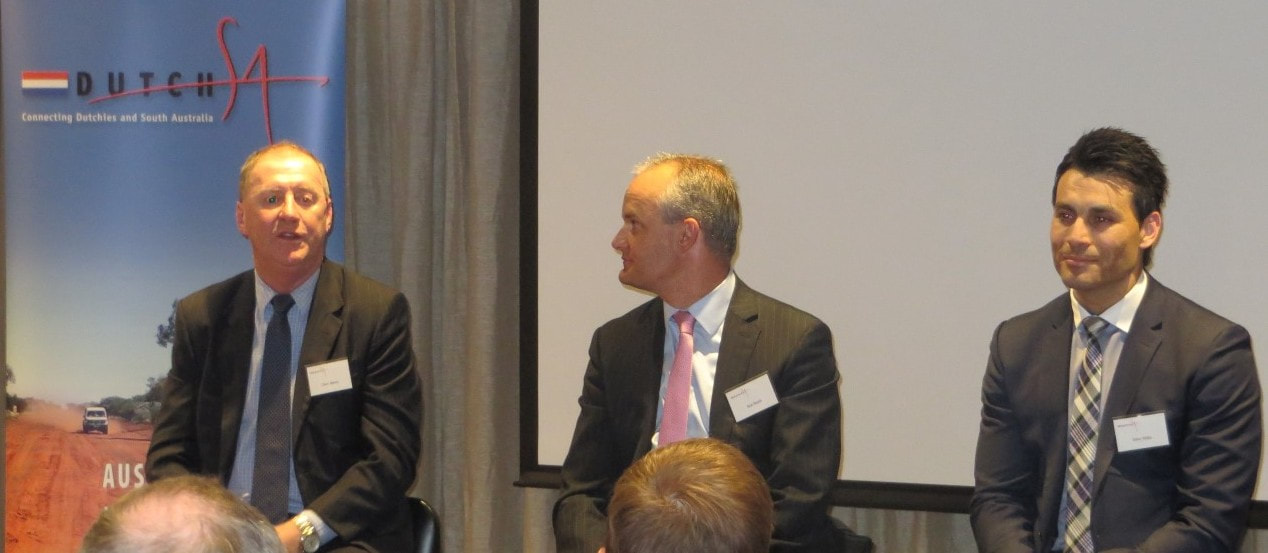
Hosted in the newly renovated Mayfair hotel the DutchSA forum on Financial Planning for Migrants had a very good turn-out. The relevancy of the subject is clear: most migrants have little idea of financial challenges lying ahead in the different stages of life in Australia: housing, kid's education and retirement. But it will impact their lives hugely.
Three industry experts shared their vision and advice. Nick Reade, CEO of BankSA, drew the big picture laying out different strategies for different phases of life. He also touched upon the business climate in SA for the self-employed migrants. Arthur Kallos, Investors Direct, made clear in his presentation that for most of us our Super will be way too little by the time we retire. Key to his advice is cash-flow: how to get in under control and how to align your investments with your cash-flow. Glenn Sterrey of Bentley's Wealth Partners highlighted the challenges in finding a truly independent Financial Planner. His presentation then focussed on the pros and cons of securities versus property investments, and the importance of having an income insurance. An open forum discussion with the three speakers concluded the event, leaving the participants with lots to digest. Financial planning and investments is a complex field that most people gladly avoid. But can really we afford to keep our heads in the sand? The feedback on the DutchSA Employment forum for Skilled Migrants on 21st Feb at Hilton Adelaide was overwhelmingly positive. It confirmed how relevant the discussion about employability for many ‘new Australians' is. Migrants bring a wealth of unique skills and experiences into the country, but how to best fit in and get the opportunity to prove these skills? For many it is hard to break into the employment market, or find work on their own level.
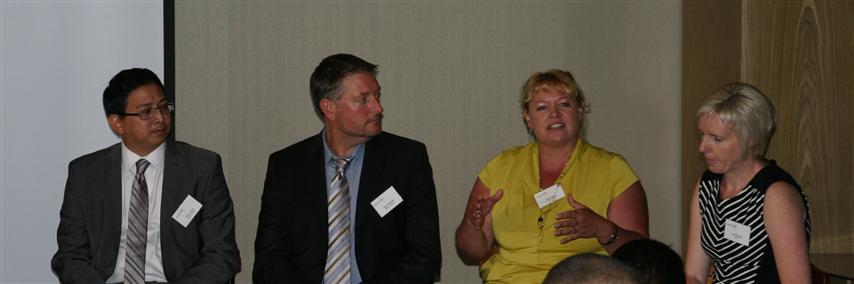
During the forum a panel of four experts gave their view on the local job market, each from their own perspective: Mark Glazbrook (Migration), Amanda Bald (Santos - Employer), Pippa Webb (Government) and Arthur Key (Recruitment). They shared many relevant insights for all participants, but a few stood out: (1) for many reasons the ‘skills in demand' list does not match the actual vacancies in SA; (2) applicants should focus on making it easy for employers to interpret their CV and cover letter; (3) there is lots of help available for job seekers from a myriad of local organisations; (4) it is better not to ‘dumb down' your CV just to get into the employment market; (5) Migrants should be proud of their background and sell the positives they bring. It is very encouraging for DutchSA to see how many people from different backgrounds participated in this event. It emphasizes that we are all in the same boat and that diversity is what we have in common here in SA. Thanks everyone for joining. On 7 March 2012 DutchSA launched a new professional networking initiative: the Business Breakfast series. Special guest and featured speaker for this first edition was Bill Vis, the founder of the Adelaide based VIP-Home Services franchise ($110million turnover).
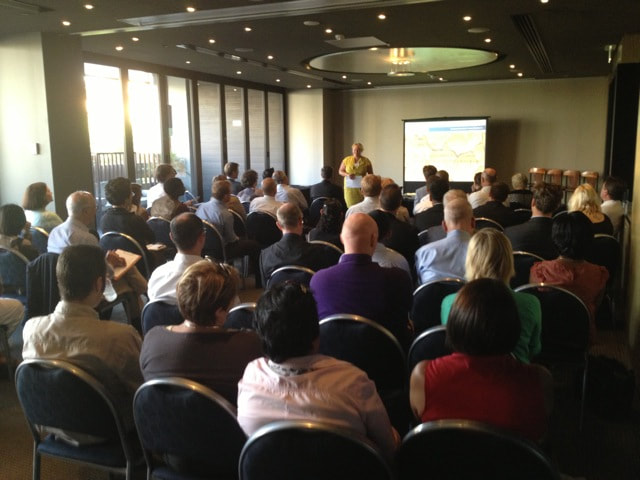
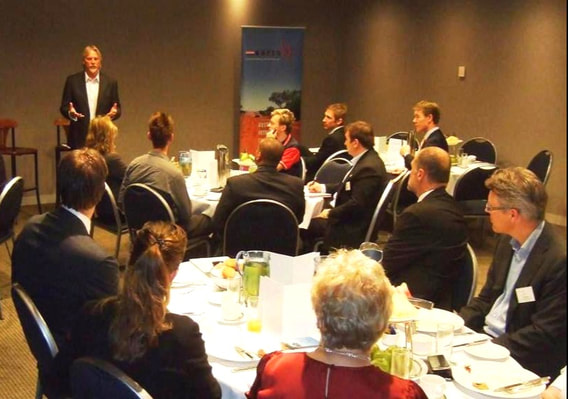
Bill shared the story behind his success, which is due to a number of qualities and regardless of the current economic climate: A keen sense for business opportunities; a willingness to try out new ways and to discard things that aren't working as well; an eagerness to keep listening to new ideas; having goals in your life to work towards and having a care for the people you work with. Bill stressed that he firmly believes in a flat franchise organisation model, which allows him to coach and mentor his franchisees directly. And he explicitly opened the door for his fellow Dutch migrants to join his franchise. See our video summary. A packed suite in the Hilton Hotel Adelaide eagerly engaged with Bill, who made sure to spend some personal time with all participants. A great start of what we hope will be a successful series of DutchSA business networking events. Stay tuned! |
DutchSAWe organise Business and Social events to connect Dutchies and South Australia Archives
May 2026
Categories
All
|
RSS Feed